World Cup 2026 Stadiums: A Journey Through Football's Grandest Arenas
Explore the historic evolution and future of World Cup 2026 stadiums, combining sports history with travel insights for an unforgettable fan experience.
World Cup 2026 Stadiums: A Journey Through Football's Grandest Arenas
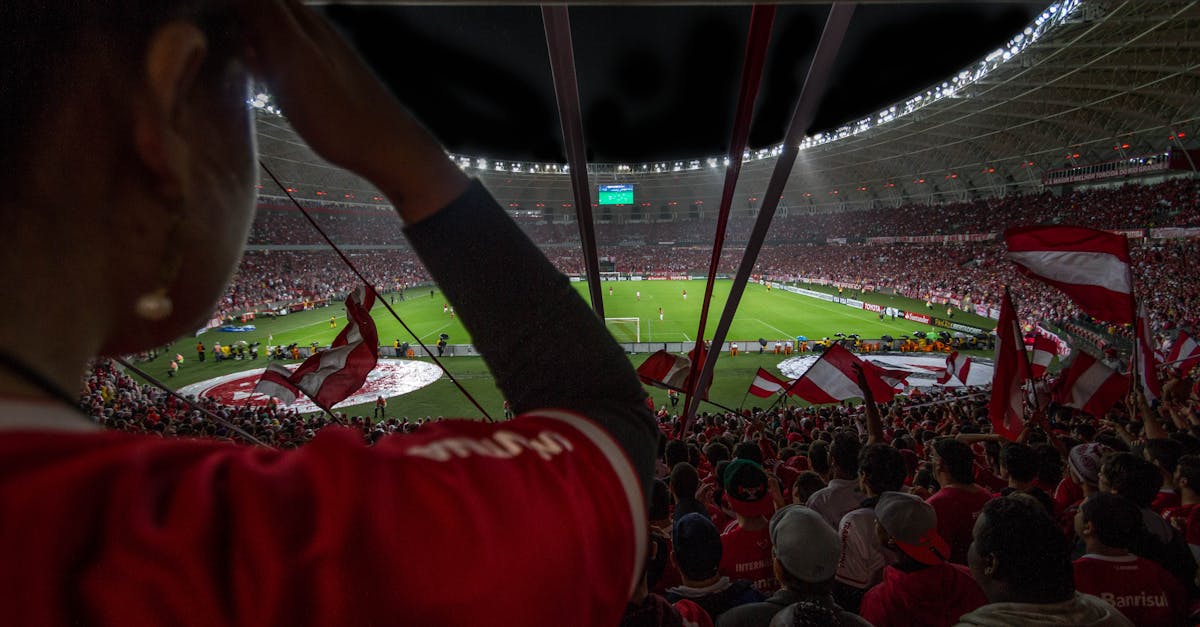
I remember the buzz in the air back in 2014, crammed into a tiny bar in Rio, the samba rhythm of the crowd outside echoing the energy of the Maracanã even miles away. You could feel the history, the passion, the sheer scale of it all. ket qua chung cuoc 90703 It’s that feeling, that connection to a place and a moment, that makes following the World Cup, and understanding its venues, so special. As we look ahead to the expanded World Cup 2026, with matches spread across North America, it's fascinating to trace the evolution of these colossal cathedrals of the game.
1. The Genesis: Early Stadiums and Humble Beginnings
The first World Cup in 1930 was a far cry from today's mega-events. Uruguay's Estadio Centenario, built for the occasion, was a masterpiece of its time, holding around 65,000. It was purpose-built, a rarity then, reflecting the ambition of the host nation. Early stadiums often evolved from existing multi-purpose grounds, showcasing a blend of sporting heritage and national pride. These weren't just football venues; they were cultural landmarks, setting the stage for the beautiful game's global spectacle.
2. Post-War Expansion and Iconic Venues
The latter half of the 20th century saw a significant leap in stadium development. Iconic venues like Wembley in London and the Azteca in Mexico City (hosting its second World Cup in 1986) became synonymous with World Cup glory. The Azteca, in particular, is legendary, truc tiep bong da/palmeiras vasco da gama lm18791241 a cauldron of atmosphere that witnessed Maradona's 'Hand of God' and his 'Goal of the Century'. These stadiums weren't just bigger; they were designed to amplify the drama, becoming characters in their own right.
3. Technological Advancements and Modern Marvels
As we moved into the 21st century, technology began to transform stadium design. Stadiums like Germany's Allianz Arena, with its color-changing facade, and South Africa's Soccer City for the 2010 World Cup, showcased innovative architecture and advanced fan amenities. These venues aimed to provide unparalleled viewing experiences, integrating state-of-the-art sound systems, giant screens, and improved accessibility, truly elevating the matchday environment.
4. The Rise of Multi-Purpose Arenas
For World Cup 2026, sustainability is a key focus. Venues like the Snapdragon Stadium in San Diego are designed with environmental impact in mind, incorporating renewable energy sources and water conservation. This shift reflects a growing global awareness and a commitment to ensuring major sporting events leave a positive legacy, both environmentally and socially.
5. Sustainability Takes Center Stage
Modern stadium planning increasingly prioritizes the fan experience. This includes everything from seamless ticketing and transport integration to vibrant fan zones and culinary offerings that reflect local culture. The goal is to create a holistic event, making the journey to and from the stadium as memorable as the 90 minutes on the pitch. It's about creating a festival atmosphere.
6. The North American Landscape: A New Era
World Cup 2026 marks a new chapter, with the tournament hosted across the USA, Canada, and Mexico. This brings a diverse range of stadiums, from the historic Azteca to modern giants like AT&T Stadium in Arlington, Texas, and Lumen Field in Seattle. The sheer scale of these venues promises an unprecedented fan experience, blending different cultures and traditions.
7. Fan Experience: Beyond the Pitch
Looking at club rivalries can offer a glimpse into the passion surrounding football venues. While Feyenoord's De Kuip is a historic titan, its neighbor Sparta Rotterdam's Het Kasteel, one of the oldest professional football stadiums in the Netherlands, represents a different kind of charm. This contrast highlights how stadiums, whether grand or intimate, are deeply intertwined with a club's identity and its journey, like Sparta Rotterdam's journey and pursuit of promotion to the Eredivisie.
8. Case Study: Feyenoord vs. Sparta Rotterdam
Many modern stadiums are no longer solely dedicated to football. They are designed for flexibility, capable of hosting concerts, American football, and other major events. This evolution, driven by economic considerations, means venues must balance the specific needs of football fans with broader commercial demands. It's a delicate act, ensuring the soul of the game isn't lost amidst the pursuit of diverse revenue streams.
Stadium Evolution Comparison
- Early 20th Century
- Focus on basic capacity and national pride. Often multi-purpose grounds. Example: Estadio Centenario (1930).
- Mid-to-Late 20th Century
- Iconic, purpose-built football stadiums emerge. Enhanced atmosphere and iconic status. Example: Azteca Stadium (1966).
- 21st Century
- Technological integration, multi-purpose design, enhanced fan comfort, and sustainability become key. Example: Allianz Arena (2005).
Honorable Mentions
While the World Cup 2026 venues are set to impress, we can't forget other significant grounds. The Maracanã in Rio de Janeiro, a legendary venue that has seen multiple finals, and the San Siro in Milan, home to Italian giants AC Milan and Inter, continue to hold a special place in football history. Their enduring appeal speaks to the power of tradition and unforgettable moments.
Browse by Category
Sources & References
- ESPN Press Room — espnpressroom.com (Broadcasting schedules & data)
- Digital TV Europe — digitaltveurope.com (European sports broadcasting trends)
- Sports Business Journal — sportsbusinessjournal.com (Sports media industry analysis)
Explore More Topics (15)
- Truc Tiep Bong Da/Sport Recife Ituano Lm18791815
- Avoid Blackouts Watching Live Sports
- Truc Tiep Bong Da Dresden U19 Eintracht Braunsch U19 Lm18887215
- Truc Tiep Bong Da/Washington Spirit Portland Thorns Fc Lm1693064252
- How To Use 2026 World Cup Official Merchandise For Brand Promotion
- World Cup Qualifiers 2026 Road To The Finals
- Truc Tiep Bong Da Independiente Del Valle Cumbaya Lm18779434
- Ket Qua Chung Cuoc 896801
- World Cup 2026 Friendly Match Betting
- Choosing Best World Cup Travel Package
- Tu Van Chon Tv Xem Bong Da World Cup
- Ko Ti Xu World Cup
- World Cup 2026 Va Tuong Lai Bong Da
- Truc Tiep Bong Da/Newells Old Boys Lanus Lm18722599
- Qu Lu Nim World Cup 2026