World Cup 2026 Stadiums: A Legacy of Fan Experience & Global Connection
Explore the historical evolution of World Cup stadiums, from humble beginnings to the state-of-the-art venues for 2026. Discover how fan culture, broadcasting tech, and travel have sha these iconic sites.
The Roar of the Crowd: A Stadium Journey
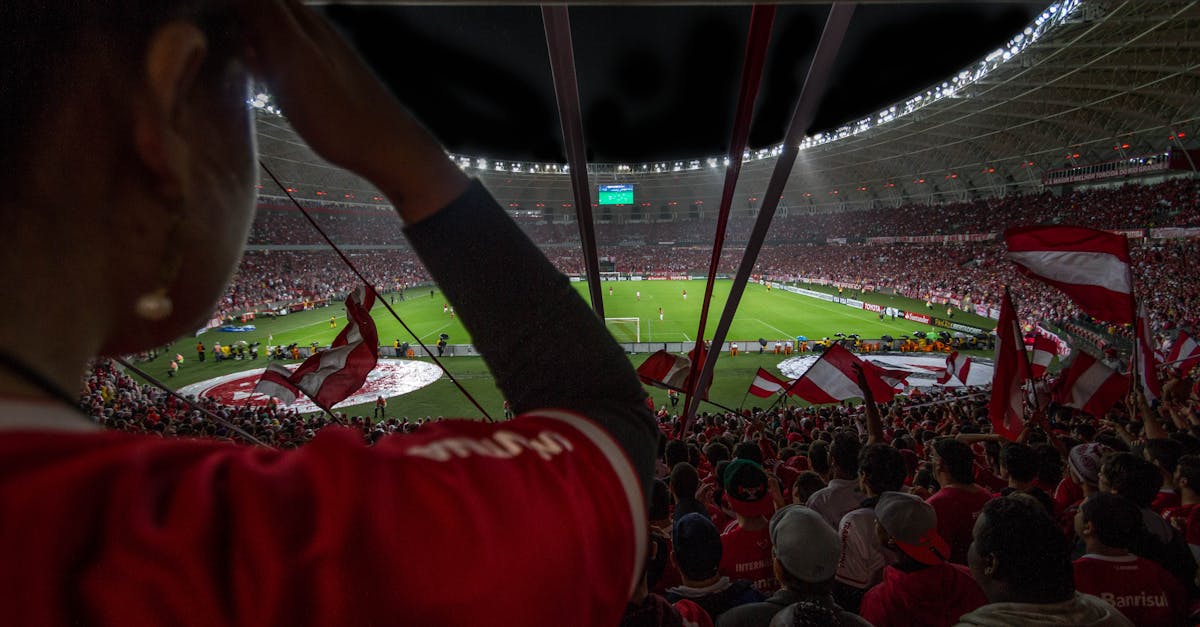
I remember sitting in a packed stadium for a qualifier years ago, the air thick with anticipation, the roar of the fans a physical force. It wasn't just about the game; it was about the shared experience, the history etched into the concrete, the pilgrimage to this sacred ground. That feeling, that connection to something bigger, is what makes World Cup stadiums so special. They're more than just venues; they're chapters in a global story, and as we look towards 2026, it's fascinating to see how they've evolved.
1. The Humble Beginnings: Post-War Pitches
Italia '90 marked a significant leap. Many stadiums were modernized or rebuilt with a greater emphasis on spectator comfort and safety. Think of the all-seater stadiums that began to emerge. This era also coincided with advancements in broadcasting, moving beyond grainy SD to clearer HD. The 'dat phong khach san gan san World Cup 2026' searches we see today highlight how fan travel and accommodation have become integral parts of the tournament planning, a stark contrast to earlier eras.
2. Stadiums as National Symbols: The 70s & 80s Boom
The concept of fan zones has evolved dramatically. From informal gatherings to officially sanctioned, technologically enhanced spaces, fan zones like the planned fan zone World Cup 2026 o viet nam allow even those not inside the stadium to experience the World Cup atmosphere. This globalizes the event, making it more accessible, and reflects the evolution from local support to a worldwide community united by the game.
3. The Rise of Modern Infrastructure: Italia '90 & Beyond
As football's global appeal grew, so did the ambition for its showpiece event. The 1970s and 80s saw the construction of more iconic stadiums designed to be national symbols. Mexico's Estadio Azteca, for instance, hosted two finals and became legendary. These grounds were built to impress, often featuring unique architectural elements. The focus shifted slightly towards creating a more organized spectacle, with early considerations for television audiences, though live analysis was still a distant dream compared to today's football live stream analysis.
4. Mega-Stadiums and Multi-Purpose Venues
The evolution of sports broadcasting is inextricably linked to stadium development. The shift from Standard Definition to the incredible clarity of Ultra HD is a game-changer for viewers. This technological leap means fans at home can appreciate the grandeur of the stadiums and the nuances of the game like never before. This ties directly into the evolution of sports broadcasting from sd to ultra hd.
5. The 2026 North American Revolution: Sustainability & Tech
The late 90s and early 2000s saw the construction of massive, multi-purpose stadiums. While impressive, some purists felt this diluted the unique football atmosphere. However, these venues brought economic benefits to their cities and could host a variety of events. The 2022 World Cup final viewership numbers, boosted by these grand stages and widespread access to streaming, show the scale football has reached.
6. Fan Zones: Globalizing the Matchday Experience
For the 2026 World Cup, co-hosted by the USA, Canada, and Mexico, the focus is on leveraging existing, state-of-the-art infrastructure and prioritizing sustainability. Venues like SoFi Stadium are designed with cutting-edge technology. This era is about smart stadiums, enhanced fan engagement through digital platforms, and considering the environmental legacy. The question of streaming vs cable where to find the best hd sports channels is paramount for fans following the action from afar.
7. Broadcasting: From SD to Ultra HD and Beyond
World Cup 2026 stadiums are being designed with future-proofing in mind. High-speed connectivity, improved accessibility for all fans, and integration with smart city initiatives are key. This ensures the venues remain relevant and valuable long after the final whistle, contributing to urban development and providing platforms for future events, aligning with future sports streaming tech 2026.
8. The Legacy of Accessibility and Connectivity
The early World Cups, like the one in 1950 Brazil, were often held in functional, sometimes basic, stadiums. Think Maracanã, a colossal structure, yes, but built with a focus on capacity rather than the intricate fan amenities we see today. These venues were the heart of their cities, drawing massive crowds, but the fan experience was primarily about the collective presence and the raw emotion of the game. Broadcasting was rudimentary, and international travel for fans was a significant undertaking.
Honorable Mentions
While focusing on the evolution, it's worth noting specific iconic venues that have defined eras: the aforementioned Maracanã and Azteca, Wembley's enduring presence, and the unique atmosphere of grounds like Wolfsberg Austria Klagenfurt II LM18884919 (though not a World Cup venue, it represents local football passion) and others that have hosted historic matches. The anticipation for teams like those who have cac doi tuyen da gianh ve world cup 2026 is immense.
- Broadcasting Tech
- In the early days, radio commentary was king. By the 1970s, color television brought the game to more homes. Today, 4K streaming and AI-powered analysis offer unparalleled viewing experiences. The jump from analog to digital, and now to immersive formats, mirrors the stadium's own transformation from a simple field to a high-tech entertainment hub.
- Fan Travel
- Attending a World Cup was once a major exition, often involving long sea voyages or limited flight options. Today, with readily available flights (ve may bay di xem world cup) and organized tours (tour du lich xem world cup 2026 tron goi), it's more accessible. Booking accommodation, like dat phong khach san gan san world cup 2026, is a standard part of the modern fan pilgrimage.
Browse by Category
- Truc Tiep Bong Da Manchester United Wolverhampton Wanderers Lm18841625
- Truc Tiep Bong Da Hai Phong Binh Dinh Lm18865094
- Truc Tiep Bong Da/Manchester United Wolverhampton Wanderers Lm18841625
- Thong Tin Giai Dau 782909
- Truc Tiep Bong Da/Dresden U19 Eintracht Braunsch U19 Lm18887215
- Truc Tiep Bong Da Ha Noi Viettel Lm18865093
- Thng Tin V Cc Sn Vn Ng World Cup 2026
- Thong Tin Giai Dau 629580
Sources & References
- Broadcasting & Cable — broadcastingcable.com (TV broadcasting industry data)
- Sports Business Journal — sportsbusinessjournal.com (Sports media industry analysis)
- Digital TV Europe — digitaltveurope.com (European sports broadcasting trends)
Explore More Topics (15)
- Truc Tiep Bong Da/Chertanovo Dinamo Kirov Lm18947899
- Ket Qua Chung Cuoc 905641
- Understanding Fifa World Cup 2026 Draw Format
- Kt Qu Cc Trn World Cup Hm Qua
- Thong Tin Giai Dau/782909
- World Cup 2026 Qualification Guide
- Why Independiente Del Valle Is Football Powerhouse
- Video Tran Dau Villarreal Fc Barcelona V18847951
- Live Sports Tv Today
- Streaming Vs Cable Where To Find The Best Hd Sports Channels
- Bong Da World Cup 2026 Co Gi Moi
- Internal Link Placeholder 5
- Phn Tich Chuyen Sau World Cup
- Live Sports Tv
- Lich Phat Song World Cup Tren K Plus