doi hinh tieu bieu world cup moi thoi dai - World Cup 2026 Stadiums: A Look Back
Explore the historical evolution of World Cup stadiums, from early humble grounds to modern marvels, and what legacy they leave behind.
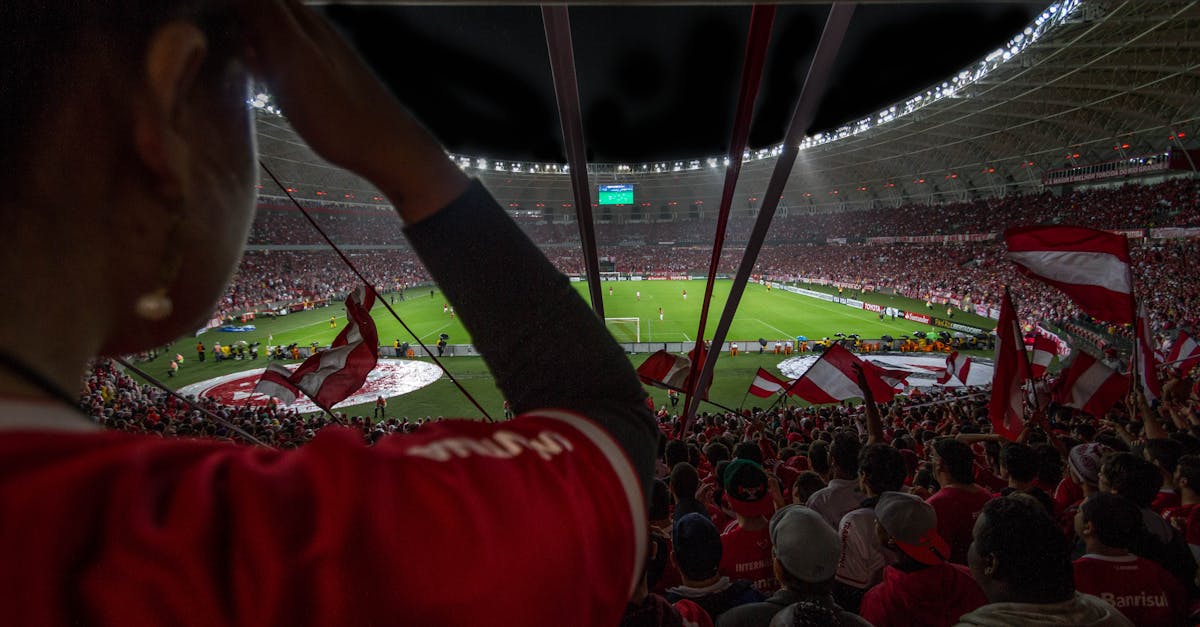
I remember my first World Cup match vividly. It wasn't just the roar of the crowd or the unbelievable goals; it was the sheer atmosphere of the stadium, a place stee in history. Standing there, I felt connected to all the fans who had cheered in that very spot for decades. It got me thinking about how these iconic venues have evolved and what they mean to the game's legacy. The World Cup 2026 stadiums promise to be more than just arenas; they are chapters in the sport's grand narrative.
1. Humble Beginnings: The Early Pitches
The late 20th and early 21st centuries brought a revolution in stadium technology. Retractable roofs, advanced seating, and sophisticated broadcast facilities became the norm. Germany's Allianz Arena, with its color-changing exterior, is a prime example of innovation. This era focused on enhancing the spectator experience, making attending a match more comfortable and engaging than ever before. It also paved the way for serious discussions about the 'tu van chon tv xem bong da world cup' at home, as broadcasts became more immersive.
2. Post-War Expansion and Iconic Venues
More recently, there's a growing emphasis on legacy and sustainability. The World Cup 2026, hosted across North America, is expected to utilize many existing, upgraded stadiums, minimizing the need for new builds. This approach aims to leave a lasting positive impact on communities, ensuring venues are utilized long after the final whistle. The focus is on adaptable spaces that serve local needs, a stark contrast to the 'white elephant' stadiums of past tournaments.
3. The Rise of Modern Stadia
After World War II, football's popularity boomed, and so did the need for grander stages. The 1950s and 60s saw the emergence of truly iconic stadiums. Wembley in London, for example, became synonymous with major finals, not just for the FA Cup but for international clashes too. Brazil's Maracanã, though built earlier, became legendary after the 1950 World Cup. These venues weren't just places to watch games; they were becoming destinations, shaping the fan experience and the tournament's growing global appeal.
4. Technological Advancements and Fan Comfort
The selection of host nations and their chosen stadiums significantly impacts the tournament's narrative. The 'tuyen viet nam da vong loai world cup 2026 khi nao' generates excitement, and the anticipation builds around the venues where these historic matches will unfold. The choice of stadiums reflects a nation's ambition and its capacity to host a global event, influencing everything from ticket prices ('gia ve xem world cup 2026') to the overall fan journey.
5. Sustainability and Legacy Projects
The first World Cup in 1930 was a far cry from the mega-events we see today. Uruguay hosted it in the Estadio Centenario, a relatively new but functional stadium built for the occasion. Early tournaments often utilized existing, sometimes rudimentary, grounds. The focus was on the sport itself, not necessarily the glitz and glamour of the venues. These early stadiums, though simple, were the crucibles where the World Cup dream first took flight, hosting legendary matches and forging initial fan connections.
6. The Impact of Hosting Rights
While not directly stadium-related, the evolution of 'ao dau cac doi tuyen world cup 2026' also mirrors the tournament's growth. From simple cotton jerseys to high-tech performance wear, the kits reflect advancements in sports science and design, much like stadiums reflect architectural and technological progress. The 'so sanh chat luong ao dau world cup cac hang' is a topic of keen interest, highlighting the parallels in how performance and aesthetics have advanced across all elements of the game.
7. Cultural Hubs and Fan Zones
Modern World Cup stadiums are more than just sports arenas; they are cultural hubs. They are surrounded by vibrant fan zones, local eateries, and historical landmarks, offering a complete travel experience. Visiting the stadiums for 'nhan dinh keo nha cai world cup' discussions or simply soaking in the pre-match buzz is part of the adventure. This integration of sport, culture, and tourism is a hallmark of recent World Cups, turning a matchday into a multi-faceted exploration.
8. The Evolution of Team Kits
From the 1970s onwards, stadiums began to transform. Increased commercialization and a growing demand for better fan amenities led to more sophisticated designs. The Estadio Azteca in Mexico City, hosting two World Cup finals, became a symbol of this era, showcasing advanced architecture for its time. This period marked a significant shift, with venues starting to be designed with broadcast capabilities and larger capacities in mind, preparing for the international audience.
Comparison: Old School vs. New Wave Stadiums
- Capacity
- Early stadiums often had impressive natural capacities but lacked modern seating. Today's venues boast meticulously planned seating arrangements for maximum comfort and view.
- Technology
- The 'cu th tr nht tng ghi ban ti world cup' was celebrated in basic stadiums. Now, giant screens, VAR infrastructure, and advanced lighting are standard.
- Fan Experience
- The raw, passionate atmosphere of older grounds is hard to replicate. Modern stadiums offer enhanced amenities, safety, and entertainment, aiming for a more polished experience.
- Legacy
- Older stadiums often became beloved local institutions. Modern stadiums face the challenge of ensuring long-term community relevance beyond the tournament.
Honorable Mentions
The Maracanã in Rio de Janeiro, the Estadio Azteca in Mexico City, and the old Wembley Stadium in London hold legendary status, each having hosted multiple World Cup finals and witnessed pivotal moments in football history.
Browse by Category
Sources & References
- Broadcasting & Cable — broadcastingcable.com (TV broadcasting industry data)
- Sports Business Journal — sportsbusinessjournal.com (Sports media industry analysis)
- Digital TV Europe — digitaltveurope.com (European sports broadcasting trends)
Explore More Topics (15)
- Cc Thnh Ph Ng Cai World Cup 2026
- Truc Tiep Bong Da/Admira Praha Ceske Budejovice Ii Lm18864448
- Phn Tch Chuyn Su World Cup
- Linh Vat World Cup 2026 Co Y Nghia Gi
- Global Sports Streaming Access 2026
- Ket Qua Boc Tham Vong Loai World Cup 2026
- Nhung Quy Tac Moi Ve Thay Nguoi World Cup 2026
- Phan Tich Chuyen Sau World Cup
- Sports Streaming Costs 2026 Fan Expectations
- Scouting Report Independiente Del Valle Top Players
- Truc Tiep Bong Da Slovan Bratislava Maccabi Haifa Lm18921606
- Best Streaming Services 2026 World Cup
- Chuong Trinh Binh Luan World Cup 2026
- Live Sports Tv Guide
- Truc Tiep Bong Da Palmeiras Vasco Da Gama Lm18791241